Water Damage · Coney Island
Coney Island mixes large apartment complexes, older pre-war buildings and single-family houses, so one leak can cross several units or settle into a basement. Any time of day or night, we find every spot the water reached, dry it out and repair the rooms with our own crew.
What We Do Here
One company handles the whole thing, start to finish, phone call to paint. The visit and the estimate are free, and you see the scope in writing before any work starts.
Standing water goes first, with pumps or truck-mounted extraction. Soaked carpet and pad get pulled so the floor under them can breathe.
Water slides sideways inside a wall and drops through a ceiling into the next room. A thermal camera shows cool, damp patches behind the paint, and moisture meters confirm each one, so we open only the spots that read wet.
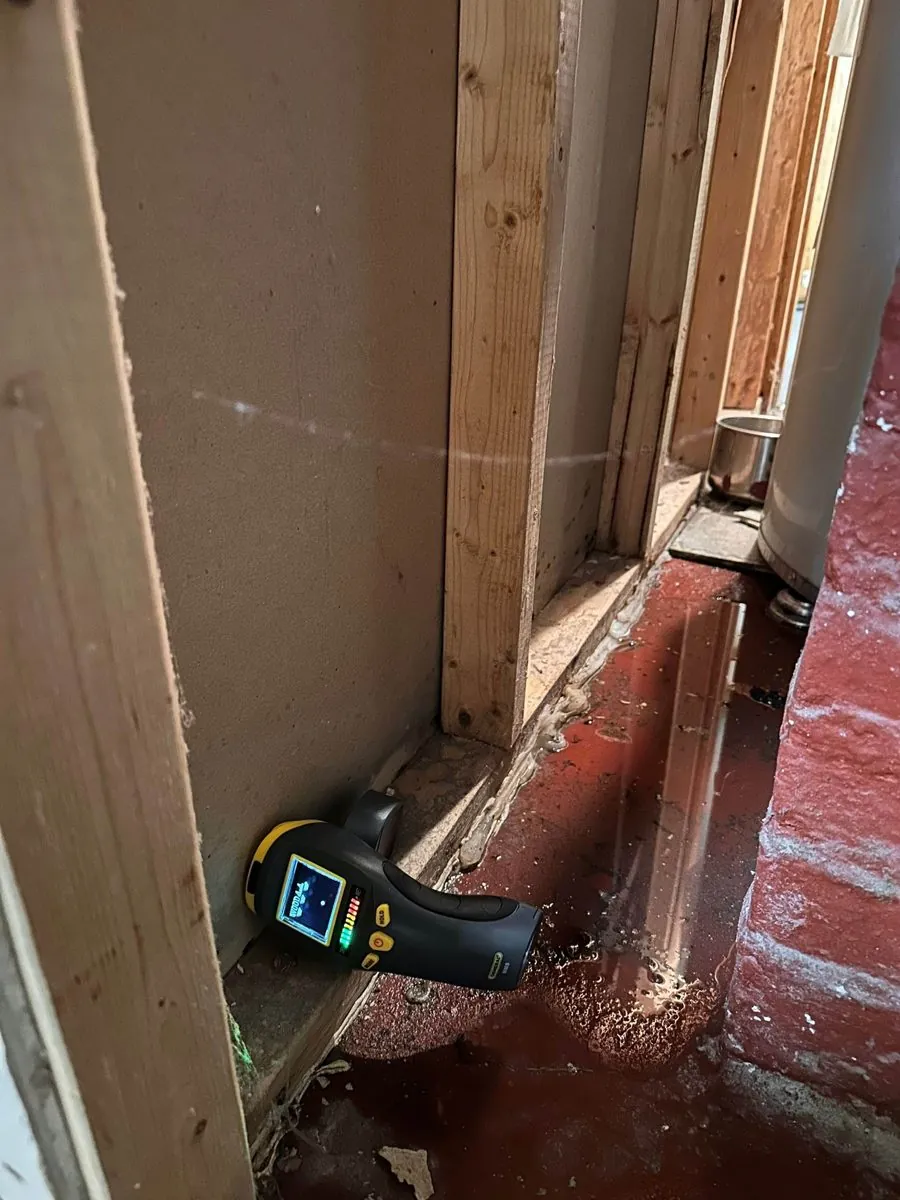
Swollen drywall, wet insulation, pressed-wood cabinet parts and padding come out. Plaster, solid wood and framing often stay and get dried where they are.
Air movers and dehumidifiers run until the wet areas read like dry material elsewhere in your home. The readings get logged on every visit, and the equipment leaves when the log says so, not on a set date.
Drywall, trim, flooring, cabinets and paint go back in through our own rebuild crew, so no second company has to measure the job again.
The Buildings
The City's Southern Brooklyn resiliency report describes Coney Island as a mix of multi-family buildings and single-family homes, with many NYCHA and Mitchell-Lama apartment complexes. Each type changes how we run the job.
In a tall building, the source is often a riser, a supply line or a tub a few floors up, and it surfaces as a ceiling stain or a wet closet. Building staff shut the line and repair the pipe. We meter your apartment and the ones around it, note where the readings are wet, and dry and rebuild the finishes in each unit. If management needs our readings to decide on shared walls or pipes, they get them. Our page on leaks in apartments and co-ops goes deeper.
The same report found that only about one in five Coney Island residents own their home, so the person who calls us is often a tenant. You can call us yourself. We come look, take readings and explain what we found, and we keep the landlord or management posted on anything that touches the building.
Older buildings often have plaster or masonry walls. They hold water longer than drywall, yet many dry out where they stand, which keeps the rebuild smaller. In a house, the leak often ends up in the basement, where we pump it out, dry the framing and check the joists and sill above the foundation.
Below The Street
DEP's Coney Island Creek long term control plan places Coney Island inside the creek's drainage area and says that area is served by a large combined sewer system, with some separately sewered sections. In a combined pipe, rain and household sewage share the same line. The resiliency report also calls Coney Island Creek a significant flood risk to Coney Island and Gravesend.
For us, that changes the cleanup. Water that came up through a floor drain or in from outside gets handled as contaminated: more porous material comes out, and the framing and slab are cleaned and treated before drying starts. Water that comes in off the beach or the creek also carries salt and silt, so exposed framing gets rinsed and cleaned before the fans go on. Our page on drain and sewer backups explains why. Across the creek, our Gravesend water damage page covers the neighborhood just north.
Call To Close-Out
Phone 646-543-2242, our 24/7 line, and tell us where the water is showing. Arrival time is usually 30 minutes to an hour and a half, depending on the hour and traffic. Before we arrive, shut the sink or toilet valve, or the apartment shutoff, if you can reach it safely, and keep away from any outlet, power strip or panel the water has touched.
We walk every wet room with you and show you each meter reading. We set up elevator use with management when the building requires it, and read the unit below yours when we can get in. Then we point to each wall or floor section that has to go and the ones we can dry as they stand.
We return to read the same spots, reposition fans as rooms come down and pull equipment out of areas that are finished.
Once everything reads dry, the rebuild starts from our drying notes and photos instead of a fresh guess. Before we call it done, you walk the rooms with us and point out anything that isn't right.
For the rest of the borough, see Brooklyn water damage restoration. East along the boardwalk, our Brighton Beach page picks up from here.
Find Your Leak
Ceiling stain, wet basement or a line that let go under the sink: open the closest match, or just describe it when you call.
Fast cleanup and drying after a pipe lets go.
See Burst Pipe CleanupWinter pipe failures handled end to end.
See Frozen Pipe DamageLeaks from above traced, dried, and repaired.
See Ceiling Water DamageFlooded basements pumped, dried, and restored.
See Basement Water DamageCo-op, condo, and rental water damage handled.
See Apartment Water DamageWater heater, HVAC, and appliance leak cleanup.
See Appliance LeaksClean-water overflow cleanup and sanitizing.
See Toilet Overflow CleanupAir movers and dehumidifiers that dry to the cavity.
See Structural DryingBefore You Call
Usually, yes. We scan the wall under and beside the window with a thermal camera and confirm each damp patch with a meter, then check the ceiling of the apartment below if the readings run that way. Resealing the window is work for the building or a window contractor. We dry and repair the wall and finishes around it.
We ask which outlets share a circuit and spread the equipment across them. If power is tight, we run fewer, larger dehumidifiers and shift them as rooms come down. Nothing gets plugged into an outlet or circuit that took on water.
Not always. Pressed-wood bottoms and toe kicks that puffed up usually get replaced, but the cabinet boxes and the counter above can often stay. We pull the toe kicks, dry the wall and floor behind them, and replace only the parts that are still soft or swollen once they read dry.
Almost always. Our air movers and dehumidifiers are sized to fit through apartment doors and into a passenger elevator. We tell management when we're bringing equipment in, so they can pad the car or book it if the building asks for that.
Water damage in your Coney Island apartment or house? The All Star Restoration line, 646-543-2242, is open 24/7, and the look and the written estimate are free.
Water, fire, mold, or sewage, one call starts the recovery. We show up fast and we do not leave until it is done right.
Call 646-543-2242 Request ServiceRequest Service
We'll call you right back, and give you a free estimate. For an active emergency, the fastest way to reach us is by phone, day or night.